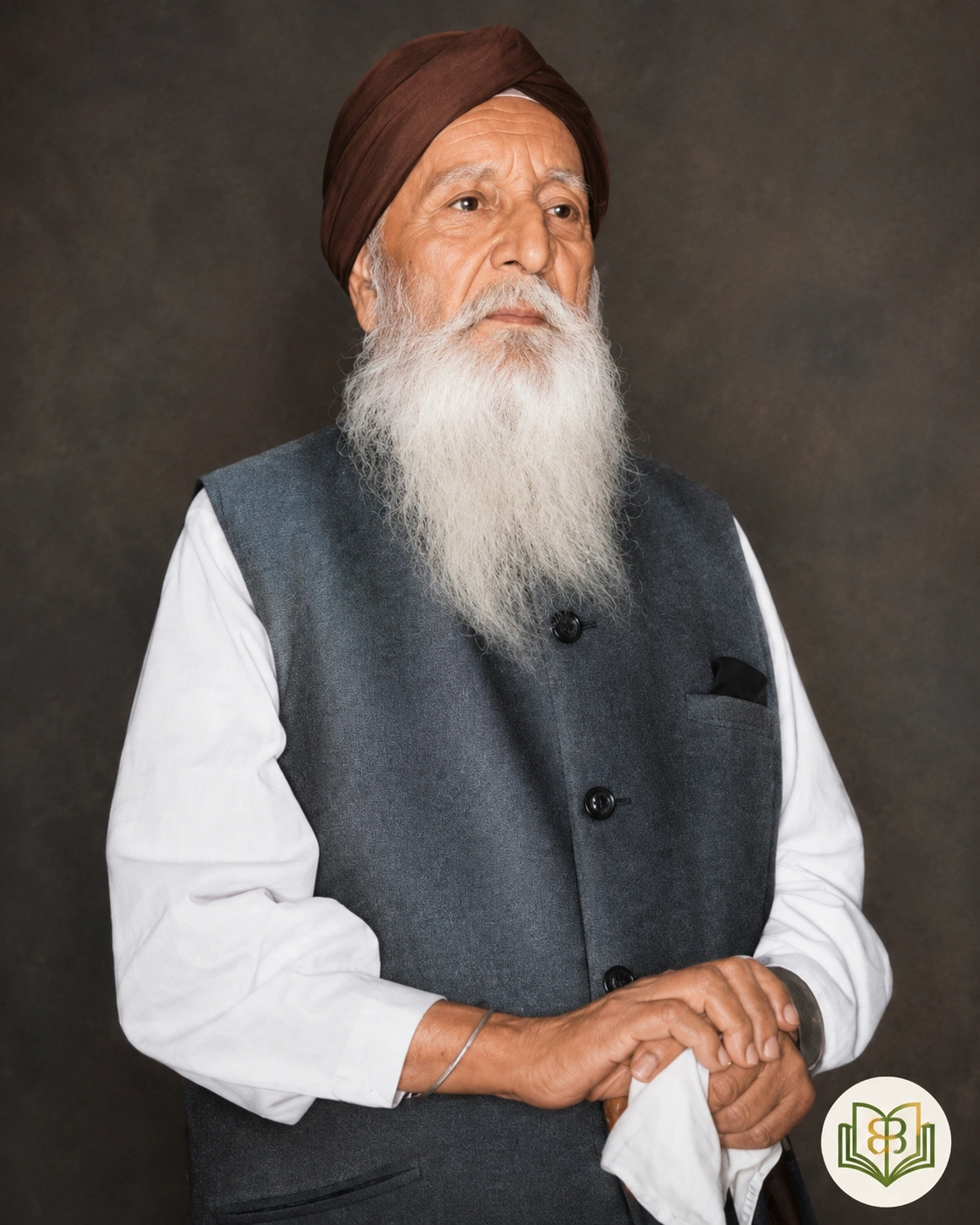
Sohan Singh Seetal
Sohan Singh Seetal was a highly influential Punjabi novelist, poet, historian, and a true master of the traditional Dhadi performance art. Born on August 7, 1909, in the village of Qadiwind near Kasur (now in Pakistan) to Khushal Singh Pannu and Dyal Kaur, See...
1909
1998
Ludhiana (Punjab, India)
ਜੀਵਨੀ
Sohan Singh Seetal was a highly influential Punjabi novelist, poet, historian, and a true master of the traditional Dhadi performance art. Born on August 7, 1909, in the village of Qadiwind near Kasur (now in Pakistan) to Khushal Singh Pannu and Dyal Kaur, Seetal's early education was quite unconventional. He learned the Gurmukhi script from a village ascetic, Sadh Hari Das. Despite lacking early access to formal schooling, his determination led him to successfully complete his matriculation and later pass the prestigious Giani examination in Punjabi literature. During his school years, he married Bibi Kartar Kaur, with whom he built a family, raising a daughter and two sons, Raghbir and Surjit.
The turning point in Seetal's life came with the cataclysmic 1947 Partition, which forced his family to flee their home in Kasur and resettle in Ludhiana. The profound trauma, displacement, and loss of this period deeply altered his creative outlook. Channeling his emotions into cultural preservation, Seetal established a celebrated Dhadi Jatha (a traditional ballad-singing ensemble). Armed with the Dhadd (drum) and Sarangi (stringed instrument), he traveled to Sikh shrines, powerfully reciting historic narrative ballads (Vaars). His deep immersion in history led to exhaustive research on Sikh sovereignty, culminating in seminal historical texts such as Sikh Raj Kiven Banya ("How the Sikh Kingdom was Created"), Sikh Raj Kiven Gaya ("How the Sikh Kingdom Fell"), and Maharani Jindan.
The Shift to Social Realism: As a fiction writer, Seetal gracefully transitioned from writing sentimental romances to mastering competent social realism. He used his pen to vividly paint the everyday struggles, stark class divides, and agricultural rhythms of the Central Punjabi peasantry.
His literary crowning achievement came with his masterpiece novel, Jug Badal Gaya ("The Era Has Changed"). The sweeping epic chronicled generations of rural transformation and modern class conflict, earning Seetal the prestigious Sahitya Akademi Award in 1974. A brilliant custodian of Punjabi heritage, Seetal passed away on September 23, 1998, leaving behind a legacy woven out of song, history, and deeply human stories.
ਇੱਕ ਨਜ਼ਰ ਵਿੱਚ
- ਸੰਭਾਲੀਆਂ ਰਚਨਾਵਾਂ
- 1 ਗ੍ਰੰਥ
- ਕੁੱਲ ਡਾਊਨਲੋਡ
- 14
- ਵਿਧਾਵਾਂ
- Historical Fiction