Nanak Singh
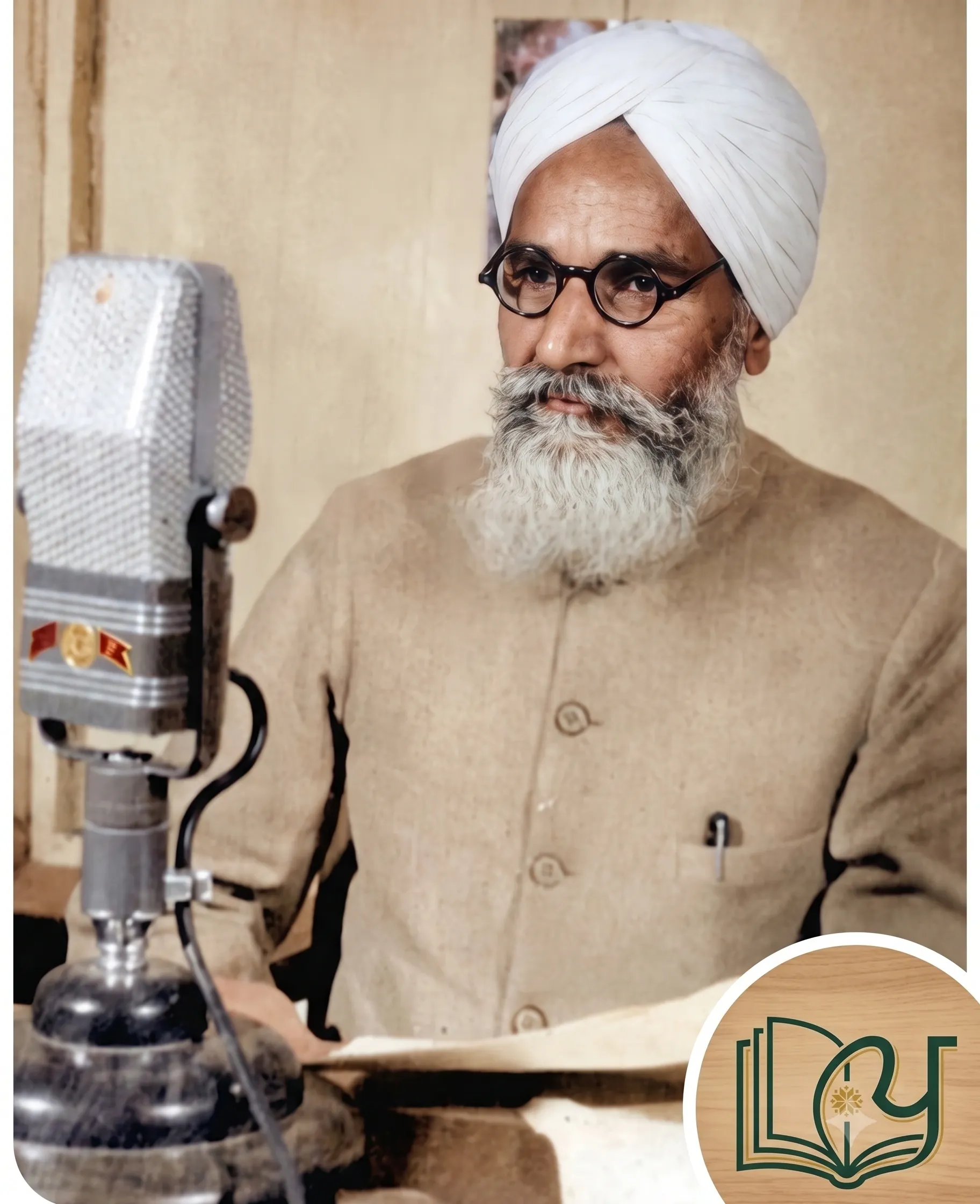
Nanak Singh was a revolutionary pioneer of modern Punjabi literature, brilliantly bridging the gap between traditional vernacular storytelling and urgent calls for social reform. Born as Hans Raj on July 4, 1897, in Chak Hamid in the Jhelum district of undivid...
1897
1971
Amritsar, Punjab
ਜੀਵਨੀ
Nanak Singh was a revolutionary pioneer of modern Punjabi literature, brilliantly bridging the gap between traditional vernacular storytelling and urgent calls for social reform. Born as Hans Raj on July 4, 1897, in Chak Hamid in the Jhelum district of undivided Punjab, his early life was defined by intense hardship. Raised in a poor Hindu family, he was forced to abruptly abandon his formal schooling after the fourth grade due to the sudden death of his father, Bahadur Chand Suri. This tragedy left his mother, Lachhmi Devi, to single-handedly run a modest village shop. At the age of eighteen, a deep spiritual awakening led him to convert to Sikhism under the guidance of Giani Bagh Singh in Peshawar, adopting the name Nanak Singh.
The definitive turning point of his life came on April 13, 1919, when he personally witnessed the horrific Jallianwala Bagh massacre in Amritsar. While Nanak Singh miraculously survived the tragedy, he lost two of his closest friends that day.
A Voice Against Empire: Traumatized yet deeply galvanized by the massacre, he channeled his grief into Khooni Baisakhi, a fiercely nationalistic, anti-imperialist epic poem that bitingly mocked the colonial administration. The British government, threatened by its raw power, promptly banned the collection.
Undeterred by imperial censorship, Nanak Singh threw himself fully into the Indian nationalist struggle and the non-violent Akali Gurdwara Reform Movement. His activism led to his arrest on May 5, 1920, resulting in his imprisonment in Dharamshala alongside freedom fighter Lala Lajpat Rai, before being transferred to Borstal Jail in Lahore. Rather than crushing his spirit, his time behind bars acted as a literary incubator. He penned an astonishing 40,000 pages of longhand Gurmukhi script while incarcerated, published his banned poetry collection Zakhmi Dil (1923), and developed a robust narrative voice heavily influenced by the social realism of Munshi Premchand.
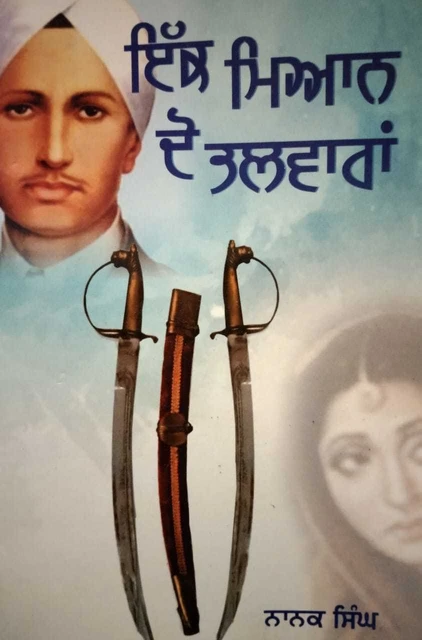
Over the course of his illustrious career, Nanak Singh went on to publish more than 65 novels. His books were populated by deeply idealistic characters who actively battled contemporary evils like untouchability, religious bigotry, and the systemic oppression of women. Balanced by a stable family life with his wife, Raj Kaur—with whom he raised five sons who would later preserve his massive literary estate—he achieved absolute national acclaim. In 1962, he was honored with the prestigious Sahitya Akademi Award for his historical masterpiece, Ik Mian Do Talwaran. Nanak Singh passed away in Amritsar on December 28, 1971, leaving behind a timeless legacy that forever changed the trajectory of Punjabi fiction.
ਇੱਕ ਨਜ਼ਰ ਵਿੱਚ
- ਸੰਭਾਲੀਆਂ ਰਚਨਾਵਾਂ
- 2 ਗ੍ਰੰਥ
- ਕੁੱਲ ਡਾਊਨਲੋਡ
- 11
- ਵਿਧਾਵਾਂ
- Biography Historical Fiction Legend & Myth Novel