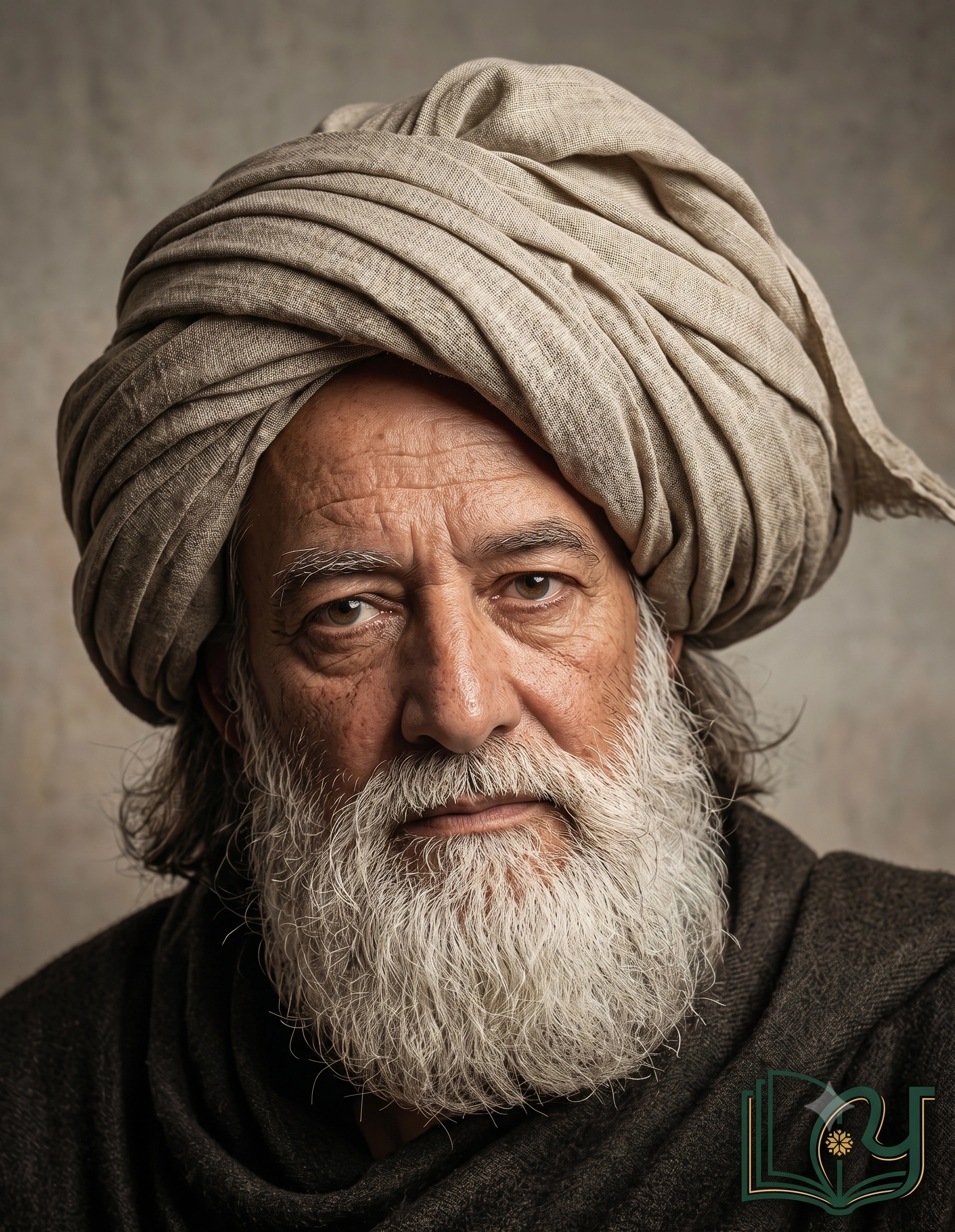
Bulleh Shah
Syed Abdullah Shah Qadri, revered in literary and spiritual traditions as Bulleh Shah, was born in 1680 in Uch within the Multan Subah of the Mughal Empire to a traditional Sayyid family that traced its ancestry to the Sufi mystic Sayeed Jallalluddin Bukhari....
1680
1757
Punjab, Pakistan
ਜੀਵਨੀ
Syed Abdullah Shah Qadri, revered in literary and spiritual traditions as Bulleh Shah, was born in 1680 in Uch within the Multan Subah of the Mughal Empire to a traditional Sayyid family that traced its ancestry to the Sufi mystic Sayeed Jallalluddin Bukhari. In his early childhood, his father, Shah Muhammad Darwaish, and mother, Fatima Bibi, relocated the family to Malakwal and subsequently Pandoke near Kasur, where his father served as a local mosque preacher and village teacher.
Bulleh Shah began his early education under his father's tutelage while working as a herder, later pursuing advanced studies under the prominent Kasur scholar Maulana Murtaza Kasuri, where he was a classmate of the famous poet Waris Shah. His quest for deep spiritual truth eventually led him to Lahore, where he was initiated into the Qadiri-Shattari Sufi order by Shah Inayat Qadiri, an agriculturalist of the lower-status Arain caste. Submission to a lower-caste master triggered severe familial conflict, with his sisters and sister-in-law admonishing him for trampling his noble Syed lineage. Yet, driven by Sufi ideals of absolute human equality, Bulleh Shah rejected these hereditary hierarchies, famously demonstrating humility by spending twelve years learning to dance as a female performer to win back the favor of his estranged master.
His sister, sharing his spiritual commitment, also remained celibate and spent her life in meditation. Bulleh Shah's revolutionary Kafis, numbering around 150 alongside dozens of other compositions first compiled in 1889 under Qanun-i-Ishq, used bold, secular metaphors to expose the nexus of religious orthodoxy and political power. Deemed a heretic (kafir) by local clerics, he was denied burial in the municipal graveyard upon his death in 1757, though today his shrine in Kasur remains a universal sanctuary for intercommunal peace.
ਇੱਕ ਨਜ਼ਰ ਵਿੱਚ
- ਸੰਭਾਲੀਆਂ ਰਚਨਾਵਾਂ
- 0 ਗ੍ਰੰਥ
ਪ੍ਰਕਾਸ਼ਿਤ ਰਚਨਾਵਾਂ
ਇਸ ਲੇਖਕ ਲਈ ਅਜੇ ਕੋਈ ਪ੍ਰਕਾਸ਼ਿਤ ਰਚਨਾ ਸੰਭਾਲੀ ਨਹੀਂ ਗਈ।