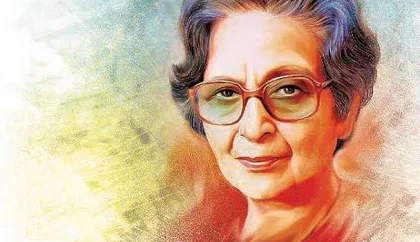
Amrita Pritam
ਅੰਮ੍ਰਿਤਾ ਪ੍ਰੀਤਮ ਵੀਹਵੀਂ ਸਦੀ ਦੀ ਸਭ ਤੋਂ ਉੱਘੀ ਅਤੇ ਪੰਜਾਬੀ ਸਾਹਿਤ ਦੀ ਪਹਿਲੀ ਪ੍ਰਮੁੱਖ ਔਰਤ ਕਵਿੱਤਰੀ, ਨਾਵਲਕਾਰ ਅਤੇ ਲੇਖਿਕਾ ਸੀ। ਆਪਣੇ ਛੇ ਦਹਾਕਿਆਂ ਦੇ ਸਾਹਿਤਕ ਸਫ਼ਰ ਵਿੱਚ, ਉਨ੍ਹਾਂ ਨੇ ਕਵਿਤਾਵਾਂ, ਨਾਵਲ, ਕਹਾਣੀਆਂ ਅਤੇ ਆਪਣੀ ਸਵੈ-ਜੀਵਨੀ 'ਰਸੀਦੀ ਟਿਕਟ' ਸਮੇਤ 100 ਤੋਂ ਵੱਧ ਕਿਤਾਬਾਂ ਲਿਖੀਆਂ।ਮੁੱ...
1919
2005
Gujranwala (Pak), New Delhi (India)
“ਅੱਜ ਆਖਾਂ ਵਾਰਿਸ ਸ਼ਾਹ ਨੂੰ, ਤੂੰ ਕਬਰਾਂ ਵਿਚੋਂ ਬੋਲ! ਤੇ ਅੱਜ ਕਿਤਾਬ-ਏ-ਇਸ਼ਕ ਦਾ, ਕੋਈ ਅਗਲਾ ਵਰਕਾ ਫੋਲ! ਇੱਕ ਰੋਈ ਸੀ ਧੀ ਪੰਜਾਬ ਦੀ, ਤੂੰ ਲਿਖ-ਲਿਖ ਮਾਰੇ ਵੈਣ, ਅੱਜ ਲੱਖਾਂ ਧੀਆਂ ਰੋਂਦੀਆਂ, ਤੈਨੂੰ ਵਾਰਿਸ ਸ਼ਾਹ ਨੂੰ ਕਹਿਣ!”
ਜੀਵਨੀ
ਅੰਮ੍ਰਿਤਾ ਪ੍ਰੀਤਮ ਵੀਹਵੀਂ ਸਦੀ ਦੀ ਸਭ ਤੋਂ ਉੱਘੀ ਅਤੇ ਪੰਜਾਬੀ ਸਾਹਿਤ ਦੀ ਪਹਿਲੀ ਪ੍ਰਮੁੱਖ ਔਰਤ ਕਵਿੱਤਰੀ, ਨਾਵਲਕਾਰ ਅਤੇ ਲੇਖਿਕਾ ਸੀ। ਆਪਣੇ ਛੇ ਦਹਾਕਿਆਂ ਦੇ ਸਾਹਿਤਕ ਸਫ਼ਰ ਵਿੱਚ, ਉਨ੍ਹਾਂ ਨੇ ਕਵਿਤਾਵਾਂ, ਨਾਵਲ, ਕਹਾਣੀਆਂ ਅਤੇ ਆਪਣੀ ਸਵੈ-ਜੀਵਨੀ 'ਰਸੀਦੀ ਟਿਕਟ' ਸਮੇਤ 100 ਤੋਂ ਵੱਧ ਕਿਤਾਬਾਂ ਲਿਖੀਆਂ।
ਮੁੱਢਲਾ ਜੀਵਨ ਅਤੇ ਸ਼ੁਰੂਆਤੀ ਸਫ਼ਰ
ਅੰਮ੍ਰਿਤਾ ਪ੍ਰੀਤਮ ਦਾ ਜਨਮ 31 ਅਗਸਤ 1919 ਨੂੰ ਗੁੱਜਰਾਂਵਾਲਾ (ਜੋ ਹੁਣ ਪਾਕਿਸਤਾਨ ਵਿੱਚ ਹੈ) ਵਿਖੇ ਹੋਇਆ। ਉਨ੍ਹਾਂ ਦਾ ਅਸਲੀ ਨਾਮ ਅੰਮ੍ਰਿਤ ਕੌਰ ਸੀ। ਜਦੋਂ ਉਹ ਸਿਰਫ਼ 11 ਸਾਲਾਂ ਦੇ ਸਨ ਤਾਂ ਉਨ੍ਹਾਂ ਦੀ ਮਾਤਾ ਦਾ ਦੇਹਾਂਤ ਹੋ ਗਿਆ, ਜਿਸ ਦੀ ਇਕੱਲਤਾ ਨੂੰ ਦੂਰ ਕਰਨ ਲਈ ਉਨ੍ਹਾਂ ਨੇ ਛੋਟੀ ਉਮਰ ਵਿੱਚ ਹੀ ਕਵਿਤਾਵਾਂ ਲਿਖਣੀਆਂ ਸ਼ੁਰੂ ਕਰ ਦਿੱਤੀਆਂ। 1936 ਵਿੱਚ, ਸਿਰਫ਼ 17 ਸਾਲ ਦੀ ਉਮਰ ਵਿੱਚ ਉਨ੍ਹਾਂ ਦੀ ਪਹਿਲੀ ਕਿਤਾਬ 'ਅੰਮ੍ਰਿਤ ਲਹਿਰਾਂ' ਪ੍ਰਕਾਸ਼ਿਤ ਹੋਈ।
ਵੰਡ ਦਾ ਦਰਦ ਅਤੇ ਸ਼ਾਹਕਾਰ ਰਚਨਾਵਾਂ
1947 ਦੀ ਭਾਰਤ-ਪਾਕਿਸਤਾਨ ਵੰਡ ਨੇ ਉਨ੍ਹਾਂ ਨੂੰ ਲਾਹੌਰ ਤੋਂ ਦਿੱਲੀ ਆਉਣ ਲਈ ਮਜਬੂਰ ਕਰ ਦਿੱਤਾ। ਵੰਡ ਦੇ ਕਤਲੇਆਮ ਅਤੇ ਦਰਦ ਨੂੰ ਵੇਖਦਿਆਂ ਉਨ੍ਹਾਂ ਨੇ ਆਪਣੀ ਸਭ ਤੋਂ ਪ੍ਰਸਿੱਧ ਕਵਿਤਾ "ਅੱਜ ਆਖਾਂ ਵਾਰਿਸ ਸ਼ਾਹ ਨੂੰ" ਲਿਖੀ। ਇਹ ਕਵਿਤਾ ਪੰਜਾਬ ਦੇ ਦੁਖਾਂਤ ਦਾ ਇੱਕ ਜਿਊਂਦਾ-ਜਾਗਦਾ ਦਸਤਾਵੇਜ਼ ਹੈ।
1950 ਵਿੱਚ ਉਨ੍ਹਾਂ ਨੇ ਆਪਣਾ ਮਸ਼ਹੂਰ ਨਾਵਲ 'ਪਿੰਜਰ' ਲਿਖਿਆ, ਜੋ ਵੰਡ ਦੌਰਾਨ ਔਰਤਾਂ 'ਤੇ ਹੋਏ ਅੱਤਿਆਚਾਰਾਂ ਅਤੇ ਉਨ੍ਹਾਂ ਦੇ ਦੁਖਾਂਤ ਨੂੰ ਬਿਆਨ ਕਰਦਾ ਹੈ। ਇਸ ਨਾਵਲ 'ਤੇ 2003 ਵਿੱਚ ਇੱਕ ਸਫ਼ਲ ਹਿੰਦੀ ਫ਼ਿਲਮ ਵੀ ਬਣਾਈ ਗਈ ਸੀ।
ਮੁੱਖ ਮਾਣ-ਸਨਮਾਨ
ਆਪਣੀ ਬਿਹਤਰੀਨ ਲੇਖਣੀ ਕਰਕੇ ਉਨ੍ਹਾਂ ਨੇ ਕਈ ਵੱਡੇ ਸਨਮਾਨ ਪ੍ਰਾਪਤ ਕੀਤੇ:
ਸਾਹਿਤ ਅਕਾਦਮੀ ਪੁਰਸਕਾਰ (1956): ਆਪਣੀ ਰਚਨਾ 'ਸੁਨੇਹੜੇ' ਲਈ ਇਹ ਪੁਰਸਕਾਰ ਜਿੱਤਣ ਵਾਲੀ ਉਹ ਪਹਿਲੀ ਔਰਤ ਬਣੀ।
ਗਿਆਨਪੀਠ ਪੁਰਸਕਾਰ (1982): 'ਕਾਗਜ਼ ਤੇ ਕੈਨਵਸ' ਲਈ ਉਨ੍ਹਾਂ ਨੂੰ ਭਾਰਤ ਦਾ ਇਹ ਸਭ ਤੋਂ ਵੱਡਾ ਸਾਹਿਤਕ ਸਨਮਾਨ ਮਿਲਿਆ।
ਪਦਮ ਵਿਭੂਸ਼ਣ (2004): ਸਾਹਿਤ ਵਿੱਚ ਪਾਏ ਯੋਗਦਾਨ ਲਈ ਭਾਰਤ ਸਰਕਾਰ ਨੇ ਉਨ੍ਹਾਂ ਨੂੰ ਪਦਮ ਸ਼੍ਰੀ (1969) ਅਤੇ ਪਦਮ ਵਿਭੂਸ਼ਣ (2004) ਨਾਲ ਸਨਮਾਨਿਤ ਕੀਤਾ।
ਸਾਹਿਤਕ ਸਮਾਂ-ਰੇਖਾ
-
1919
Birth
Born as Amrit Kaur on August 31 in Gujranwala, British India (present-day Pakistan).
-
1936
First Publication
Published her first poetry anthology, Amrit Lehran (Immortal Waves), at age 16. The same year, she married Pritam Singh and changed her name to Amrita Pritam.
-
1944
Progressive Writers' Movement
oined the Progressive Writers' Movement and published Lok Peed (People's Anguish), marking her shift toward addressing bold social and economic issues.
-
1947
The Partition
Migrated from Lahore to Delhi during the traumatic Partition of India and penned her most famous elegy, "Ajj aakhaan Waris Shah nu" (Today I invoke Waris Shah).
-
1950
Pinjar
Published her magnum opus novel, Pinjar (The Skeleton), capturing the tragic violence against women and existential loss during the Partition.
-
1956
Sahitya Akademi Award
Became the first woman to win the prestigious Sahitya Akademi Award for her poetry collection Sunehade (Messages).
-
1966
Nagmani Magazine
Started and led Nagmani, a monthly Punjabi literary magazine that provided a massive platform for new and aspiring writers.
-
1969
Padma Shri
Received the Padma Shri, India's fourth-highest civilian award, for her enduring contributions to arts and literature.
-
1976
Autobiography
Published her celebrated, bold, and unconventional autobiography, Rasidi Ticket (The Revenue Stamp).
-
1981
Jnanpith Award
Honored with the Bharatiya Jnanpith Award, India's highest literary honor, for her poetry collection Kagaz Te Canvas (The Paper and the Canvas).
-
2004
Padma Vibhushan
Awarded the Padma Vibhushan, the country's second-highest civilian honor.
-
2005
Passing
Passed away at the age of 86 on October 31 in New Delhi.
ਇੱਕ ਨਜ਼ਰ ਵਿੱਚ
- ਸੰਭਾਲੀਆਂ ਰਚਨਾਵਾਂ
- 0 ਗ੍ਰੰਥ
ਪ੍ਰਕਾਸ਼ਿਤ ਰਚਨਾਵਾਂ
ਇਸ ਲੇਖਕ ਲਈ ਅਜੇ ਕੋਈ ਪ੍ਰਕਾਸ਼ਿਤ ਰਚਨਾ ਸੰਭਾਲੀ ਨਹੀਂ ਗਈ।
ਸੰਪੂਰਨ ਰਚਨਾਵਾਂ
ਨਾਵਲ
Doctor Dev
1949One of her earliest novels, exploring the emotional complexities of unfulfilled love, social constraints, and human vulnerability.
Pinjar
1950Translated as The Skeleton, this is her absolute masterpiece. It tells the tragic story of Puro, serving as a powerful, enduring testament to the abduction, violence, and existential loss women suffered during the 1947 Partition.
Dharti, Sagar aur Seepian
1965A poignant narrative that uses the metaphor of the earth, sea, and shells to explore romantic longing and societal expectations.
Dilli Ki Galiyan
1968Set in the streets of Delhi, this novel vividly captures urban struggles, human relationships, and the evolving socio-cultural landscape of India's capital.
Jilavatan
1968A deep exploration of the themes of exile, alienation, and the search for belonging.
Kala Gulab / Black Rose
1968Her first major autobiographical work, featuring early personal reflections, her evolving worldview, and her struggles as a woman in a patriarchal society.
Yaatri
1971A philosophical fiction work focusing on the existential journey of the human soul.
Terahwan Suraj
1978Translated as The Thirteenth Sun, this psychological novel delves into the darkest, most hidden layers of human consciousness and desire.
Kore Kagaz, Unchas Din
1982Follows a woman's deeply personal journey toward finding independence and her own voice.
Eka Thi Sara
1990A moving, novelized tribute to the tragic and passionate life of the Pakistani poet Sara Shagufta.
ਕਾਵਿ ਸੰਗ੍ਰਹਿ
Amrit Lehran / Immortal Waves
1936Her debut collection, published when she was just 16 years old. It largely focuses on romantic and religious themes, dictated by her father's early influence.
ਹੋਰ ਰਚਨਾਵਾਂ
Rasidi Ticket / The Revenue Stamp
1976Her most famous non-fiction work. Bold, unapologetic, and highly controversial at the time, she candidly discusses her literary journey, her unhappy marriage, and her deep romances with Sahir Ludhianvi and Imroz.
Aksharon Kay Saye / Shadows of Words
2004Published near the end of her life, this acts as her final reflection on a lifetime dedicated to literature and the spiritual dimensions of writing.