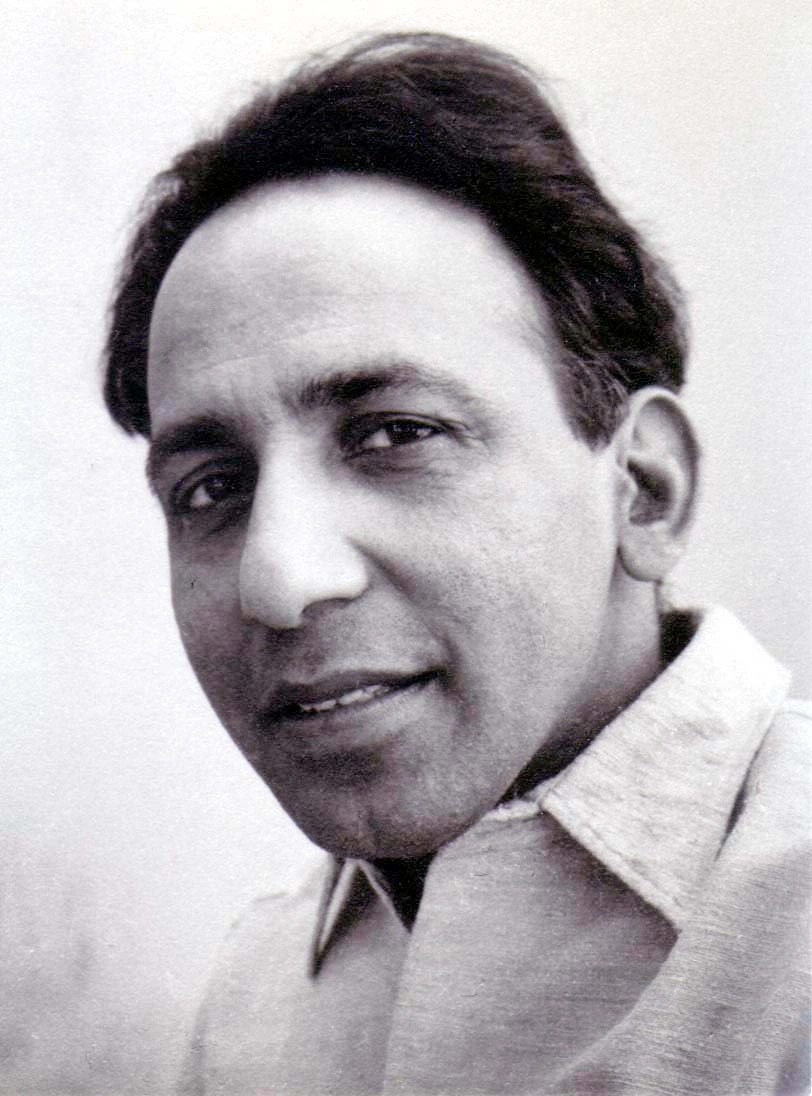
Balwant Gargi
Balwant Gargi was a radical, pathbreaking dramatist, theatre director, novelist, and academic who single-handedly modernized the landscape of Punjabi drama. He shattered the conventional, moralistic boundaries of regional stagecraft, transforming it into a dyn...
1916
2003
Bathinda, Punjab
Biography
Balwant Gargi was a radical, pathbreaking dramatist, theatre director, novelist, and academic who single-handedly modernized the landscape of Punjabi drama. He shattered the conventional, moralistic boundaries of regional stagecraft, transforming it into a dynamic arena for bold social commentary and artistic experimentation.
Formative Years and Academic Vision
Gargi’s artistic journey began in earnest after completing his higher education in Lahore. A pivotal chapter of his training took place in the scenic Kangra Valley, where he immersed himself in the study of classical theatre under the direct guidance of the legendary Norah Richards (often called the grandmother of Punjabi theatre).
Years later, Gargi channeled this rich background into building long-term creative institutions. He became the visionary founder-director of the Indian Theatre Department at Panjab University, Chandigarh. In this role, he acted as a master mentor, personally shaping the careers of students who would go on to become legendary icons of Indian cinema and stage.
The Shockwave of Loha Kutt
In 1944, Gargi burst onto the literary scene with his explosive debut play, Loha Kutt (The Blacksmith). The production sent massive shockwaves through contemporary society. Instead of offering sanitized tales, Gargi presented a raw, gritty, and completely uncompromising depiction of rural poverty, societal hypocrisy, and the long-suppressed desires of women trapped in a patriarchal world.
"Loha Kutt didn't just entertain audiences; it forced them to look directly into the uncomfortable realities of rural Punjab."
A Global Fusion of Art
What set Gargi apart was his unique ability to bridge worlds. Throughout his life, he masterfully fused traditional Punjabi folk theatre elements with Western avant-garde techniques. He was heavily inspired by the poetic realism of Federico García Lorca and the raw visceral energy of Antonin Artaud's "Theatre of Cruelty," creating a hybrid style that was entirely his own.
Gargi’s contributions extended far beyond playwriting into deep theatrical scholarship. In 1962, he received the prestigious Sahitya Akademi Award for his seminal research book, Rang Manch. His matchless lifelong dedication to the performing arts was later honored with the Padma Shri, India’s fourth-highest civilian decoration, cementing his position as one of the true fathers of modern Indian theatre.
At a Glance
- Works Archived
- 0 volumes
Published Works
No published works have been archived for this writer yet.