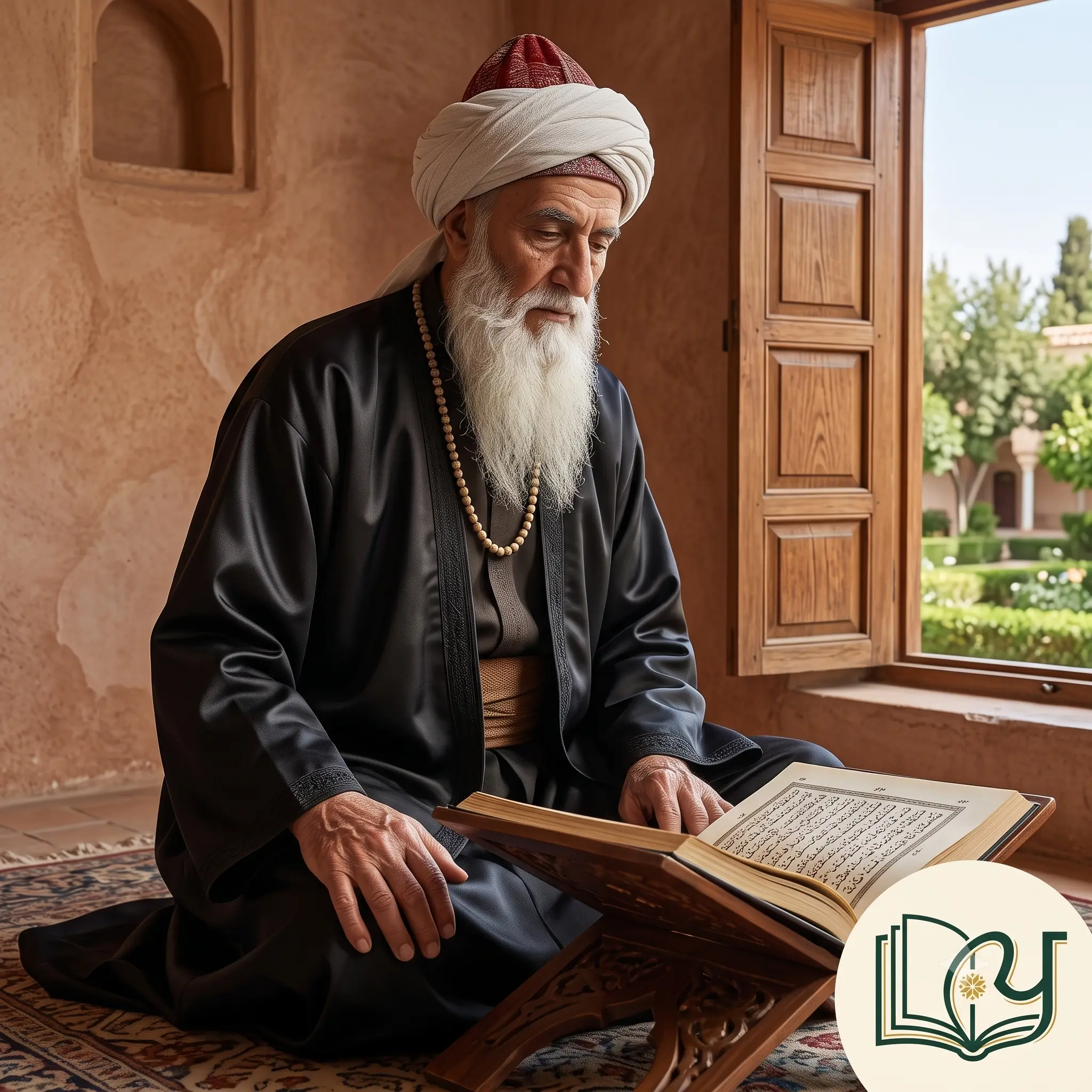
Baba Farid Ji
Fariduddin Masud Ganjshakar, affectionately known as Baba Farid, was born in the month of Ramadan in 1173 in the village of Kothewal near Multan. His family descended from Farrukh Shah, a king of Kabul; his grandfather, Qazi Shoaib, fled Afghanistan to seek sa...
1173
1266
Punjab, Pakistan
Biography
Fariduddin Masud Ganjshakar, affectionately known as Baba Farid, was born in the month of Ramadan in 1173 in the village of Kothewal near Multan. His family descended from Farrukh Shah, a king of Kabul; his grandfather, Qazi Shoaib, fled Afghanistan to seek safety in the Punjab in 1125 amid devastating Mongol incursions. Raised by an exceptionally pious mother, Maryam Bibi (also known as Qarsum Bibi), after his father Jamal-ud-din Suleiman passed away during his childhood, Farid was introduced to rigorous devotion early in life. According to local legend, his mother placed small packets of sugar under his prayer mat to incentivize his daily prayers, giving rise to his legendary title Ganjshakar (Treasury of Sugar).
After mastering Islamic theology, law, and philosophy in Multan, Farid met and became the primary disciple of the Chishti Sufi master Khwaja Qutbuddin Bakhtiar Kaki in Delhi. Upon his master's death in 1235, Farid assumed the leadership of the Chishti order but chose to return to rural Punjab, settling in Ajodhan, now Pakpattan. Around 1200, Farid also embarked on an eighteen-year journey through major Islamic cultural centers, traveling to Jerusalem, Baghdad, and Mecca.
In Jerusalem, he spent years meditating at the Al-Hindi Serai, establishing an 800-year-old Indian connection with Palestine. Farid had three wives—including Hazabara, the daughter of Sultan Nasir-ud-din Mahmud—and eight children. As the first recorded poet of the Punjabi language, Farid developed the vernacular into a highly sophisticated literary medium, laying the foundation for all subsequent Punjabi literature. His 116 slokas, dealing with themes of earthly transience, divine love, and personal humility, were gathered and integrated into the Sikh scripture, the Guru Granth Sahib, ensuring his lasting legacy across religious lines. He passed away in Pakpattan on May 7, 1266.
At a Glance
- Works Archived
- 0 volumes
Published Works
No published works have been archived for this writer yet.