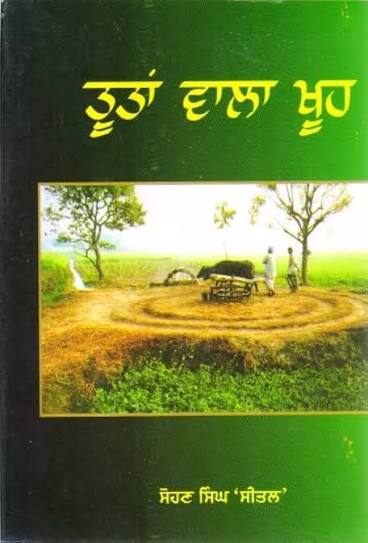
Tootan Wala Khooh
Tootan Wala Khooh (translated as The Well of Mulberry Trees) is a classic masterpiece of Punjabi literature written by the renowned novelist and lyricist Giani Sohan Singh Seetal. It is widely celebrated for its raw, empathetic depiction of rural Punjab, capturing the socio-political realities of the era leading up to India's partition (roughly between 1930 and 1947).Here is a comprehensive synopsis of the novel...
Synopsis
Tootan Wala Khooh (translated as The Well of Mulberry Trees) is a classic masterpiece of Punjabi literature written by the renowned novelist and lyricist Giani Sohan Singh Seetal. It is widely celebrated for its raw, empathetic depiction of rural Punjab, capturing the socio-political realities of the era leading up to India's partition (roughly between 1930 and 1947).
Here is a comprehensive synopsis of the novel:
The Core Plot
The narrative is set in a typical pre-partition Punjabi village and revolves around a specific well surrounded by mulberry trees—the Tootan Wala Khooh. In village life, the well is not just a source of water; it is the beating heart of the community where people gather, share stories, and build relationships.
The story prominently features Sajjan Singh (a Sikh farmer) and Ilam Deen (a Muslim farmer), who share a deep, brotherly bond and jointly depend on this well for their livelihoods. Their relationship beautifully mirrors the communal harmony, shared culture, and peaceful co-existence of the Sikh, Hindu, and Muslim communities of old Punjab.
However, trouble begins to brew due to the prevailing feudal system. A greedy moneylender (saahukar) and local feudal elements cast an evil eye on their land and the well. Through debt traps and manipulation, these powerful figures exploit the hardworking, illiterate farmers, threatening to tear apart their livelihoods.
As the Indian independence movement gains momentum in the background, political leaders begin using religion to stir up division for their own benefit. The deep-rooted bonds of the villagers are tested under the heavy weight of economic distress, caste fractures, and rising communal tensions, leading to a poignant and emotional climax about the fragility and resilience of human relationships.
Key Themes Explored
Communal Harmony & Brotherhood: Before politics divided the land, the everyday people of Punjab shared a deep cultural and emotional fabric, perfectly epitomized by Sajjan Singh and Ilam Deen's bond.
Feudal Exploitation: Seetal shines a harsh light on how poor, honest farmers were relentlessly exploited by wealthy lenders and landlords.
Socio-Political Realism: The book tracks the creeping influence of pre-partition politics, showcasing how distant political shifts slowly trickled down to disrupt ordinary village life.
The Metaphor of the Well
The title itself is deeply symbolic. The Tootan Wala Khooh represents life, unity, and shared heritage. As the story progresses and external pressures mount, the well's physical cracking and eventual breakdown acts as a striking metaphor for how the beautiful, unified soul of rural Punjab was fractured by greed, exploitation, and political division.
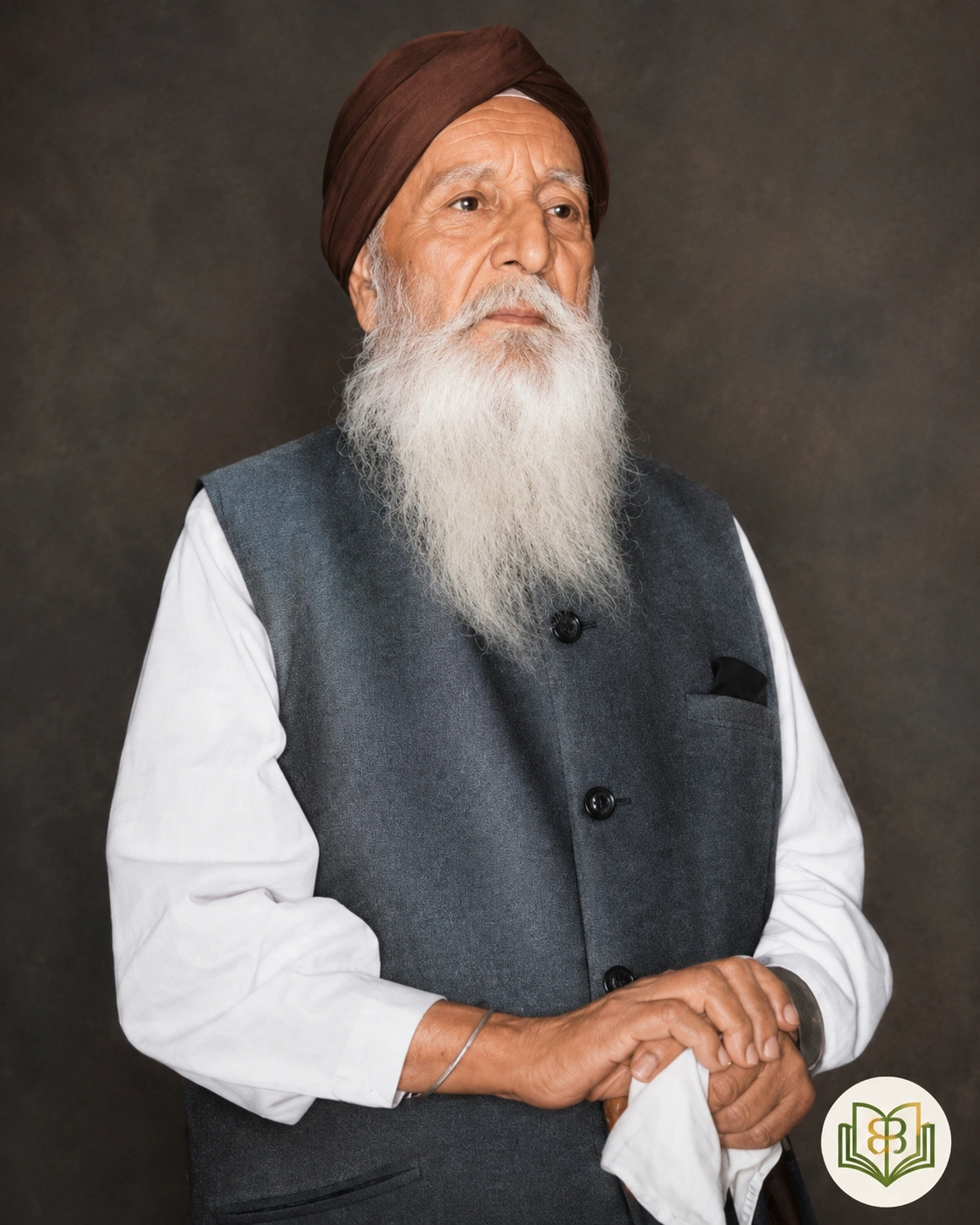
Sohan Singh Seetal
1909–1998 · Ludhiana (Punjab, India)