Amrita Pritam and the Voice of Partition: Women Writers Who Redefined Punjabi Literature
When the British empire carved up the Indian subcontinent in August 1947, Punjab was sliced directly down its cultural spine. The political line drawn by Cyril Radcliffe sparked a horrific wave of communal migration, displacing over 15 million people and claiming over a million lives.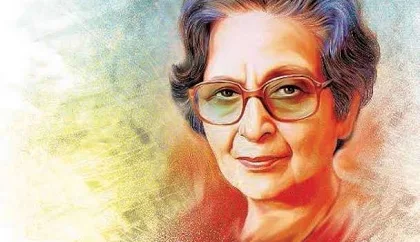
While male writers often documented the political maneuvers, territorial loss, and raw ideological clashes of Partition, it was a group of pioneering women who captured the internal, psychological damage of the catastrophe. They refused to treat women as passive footnotes or collateral damage of history. Led by the incomparable Amrita Pritam, these writers completely transformed modern Punjabi literature, shifting it away from romanticized folklore to confront the brutal realities of violence, displacement, and systemic patriarchy.
Amrita Pritam: The First Modern Feminist Voice of Punjab
Amrita Pritam (1919–2005) did not just write about the tragedy of 1947—she lived it. Uprooted from her beloved Lahore, she fled across the newly formed border to Delhi as a young mother.
It was during that harrowing train journey through the blood-soaked landscape of a burning Punjab that she penned her most iconic elegy, "Ajj Aakhaan Waris Shah Nu" (Today I Invoke Waris Shah). In this poem, she directly confronts Waris Shah, the legendary 18th-century Sufi poet who wrote the epic tragedy Heer Ranjha. She calls upon him to rise from his grave and witness how the land he once romanticized has turned into a slaughterhouse:
ਅੱਜ ਆਖਾਂ ਵਾਰਿਸ ਸ਼ਾਹ ਨੂੰ, ਤੂੰ ਕਬਰਾਂ ਵਿਚੋਂ ਬੋਲ!
ਤੇ ਅੱਜ ਕਿਤਾਬ-ਏ-ਇਸ਼ਕ ਦਾ, ਕੋਈ ਅਗਲਾ ਵਰਕਾ ਫੋਲ!
ਇੱਕ ਰੋਈ ਸੀ ਧੀ ਪੰਜਾਬ ਦੀ, ਤੂੰ ਲਿਖ-ਲਿਖ ਮਾਰੇ ਵੈਣ,
ਅੱਜ ਲੱਖਾਂ ਧੀਆਂ ਰੋਂਦੀਆਂ, ਤੈਨੂੰ ਵਾਰਿਸ ਸ਼ਾਹ ਨੂੰ ਕਹਿਣ!
This poem resonated deeply on both sides of the border because it bypassed political blame, focusing instead on the collective degradation of human dignity.
Dismantling the Notion of "Honor" in Pinjar
In 1950, Pritam published her masterpiece novella, Pinjar (The Skeleton). The story follows Puro, a young Hindu woman abducted by a Muslim man named Rashid as part of an ongoing inter-family feud.
When Puro manages to escape and returns to her parents, they refuse to take her back, declaring her "defiled" and "ruined." Through Puro's eyes, Pritam brutally exposes how nationalism and patriarchal family "honor" treat the female body as a mere battleground. Pinjar became a landmark text because it granted its female protagonist agency, complexity, and a quiet resilience that defied the tidy black-and-white narratives of the era.
Expanding the Narrative: The Circle of Defiance
Amrita Pritam broke down the door, but an entire generation of women writers walked through it, extending the boundaries of what Punjabi literature could dare to discuss. Two contemporary icons stand out for building on this legacy:
1. Dalip Kaur Tiwana: The Chronicler of the Rural Soul
Dalip Kaur Tiwana (1935–2020) shifted the focus of Punjabi fiction toward the internal, psychological landscapes of ordinary rural women. Her seminal novel, Eho Hamara Jeevana (This Is Our Life), depicts Bhano, a vulnerable woman caught in a cycle of poverty, sexual exploitation, and systemic erasure in rural Punjab. Tiwana’s writing style was deliberately minimalist yet emotionally heavy, capturing how the baseline trauma of being a woman in a deeply patriarchal culture mirrors the structural violence of displacement.
2. Ajit Caur: The Subversive Rebel
Ajit Caur (born 1934) brought a sharp, urban, uncompromising edge to Punjabi prose. Writing with raw honesty about female sexuality, failed marriages, and financial independence, Caur refused to romanticize Indian womanhood. Her celebrated autobiography, Khanabadosh (Nomad), alongside her searing short stories, details the emotional alienation of women trying to carve out individual identities in a post-Partition world that desperately wanted them to conform.
Why Their Voices Matter Today
The contribution of these women writers goes far beyond mere historical representation. By writing in Punjabi—a language traditionally dominated by male Sufi masters, court poets, and religious scholars—they reclaimed the vernacular tongue to voice private grief and systemic injustice.
They took the regional pain of Partition and elevated it into a universal critique of human cruelty. Decades later, their literature serves as a crucial reminder that when nations draw boundaries, it is often the bodies and spirits of women that bear the deepest, most permanent scars.